Everything to Know About Pet Dental Cleanings at Ark Animal Hospital
Everything to Know About Pet Dental Cleanings at Ark Animal Hospital
Keeping your pet’s mouth healthy is about more than just fresh breath; it’s a vital part of ensuring their overall well-being. Many pet owners in Jefferson and surrounding communities are surprised to learn how common dental disease is among dogs and cats. At Ark Animal Hospital, our veterinary professionals are dedicated to providing comprehensive vet dental care that helps pets thrive at every age. If you have been searching for quality pet dental cleanings in Jefferson, this guide will walk you through why dental care matters, what to expect during a dental cleaning, and how you can support your pet’s oral health at home.
In this article, we will explore the most common signs that your pet may need a dental cleaning, the reasons dental disease develops, and the steps our veterinary team takes to keep your pet’s teeth and gums healthy. You will also learn how our pet dental cleaning services at Ark Animal Hospital in Jefferson can help prevent serious health issues and why regular dental visits are an important part of any preventive care plan. If you have ever wondered, “Where can I find a dental vet near me?” or need advice on maintaining your pet’s dental health between cleanings, you are in the right place.
How to Recognize When Your Pet Needs Dental Care
Animals are experts at hiding discomfort, and dental problems can quietly develop until they become serious. As a pet owner, it is important to be vigilant for subtle and more obvious signs that it is time to schedule a dental evaluation with a veterinarian near me. Some of the most common symptoms that point to dental disease include persistent bad breath, which often signals bacterial build-up, as well as visible tartar or yellow-brown staining along the gumline. You might also notice your pet pawing at their mouth, drooling more than usual, or avoiding their food.
Other warning signs that indicate your pet may need pet dental cleanings in Jefferson are red, swollen, or bleeding gums, loose or missing teeth, and reluctance to chew toys or hard treats. For many pet owners, a change in behavior such as increased irritability or withdrawal can also be an early sign of oral discomfort. If you see any of these issues, it is important to reach out to a veterinary professional promptly, as untreated dental disease can quickly worsen.
Why Dental Disease Develops in Pets
Understanding what causes dental disease helps you take proactive steps to protect your pet’s health. Most dental problems in pets begin with plaque, a sticky film of bacteria that forms on the teeth after eating. Without regular cleaning, plaque hardens into tartar, which irritates the gums and creates a breeding ground for more bacteria. This process can lead to gingivitis, a painful inflammation of the gums that, if unaddressed, may progress to periodontal disease.
Factors that make pets more prone to dental issues include age, breed, diet, and individual oral health. Smaller breeds and certain cat breeds are more likely to experience overcrowded teeth, making it easier for plaque and tartar to accumulate. Pets that eat mainly soft or wet foods may also be at higher risk, as these foods do not help scrape away plaque like dry kibble or dental chews can. Genetics, immune system health, and even the shape of your pet’s mouth all play a role in how quickly dental problems develop.
Seasonal changes in Jefferson’s humid climate can sometimes contribute to oral bacteria growth, making it even more important for local pets to receive regular vet dental care. By understanding these risk factors, you can work with your veterinary team to create a dental care plan tailored to your pet’s unique needs.
What to Expect During Professional Pet Dental Cleanings in Jefferson
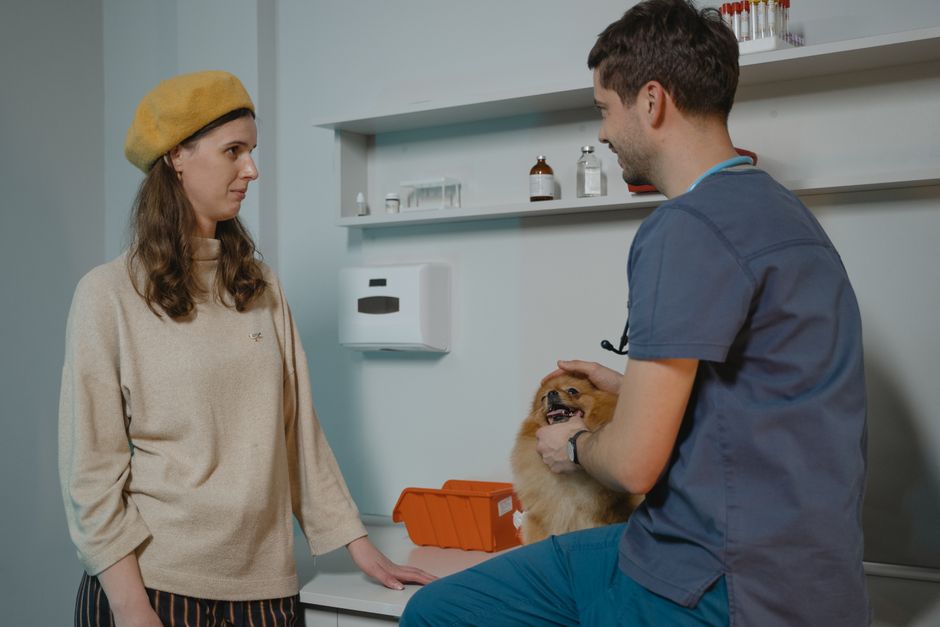
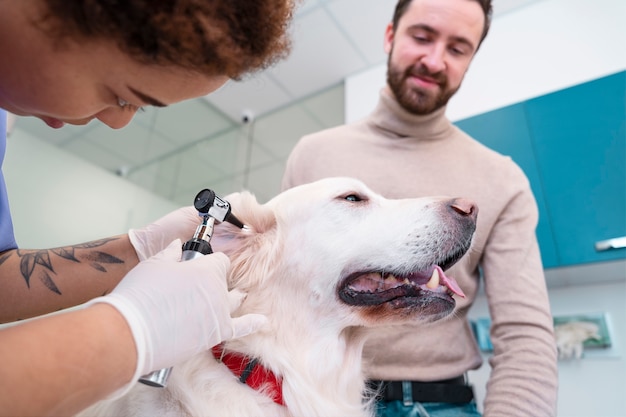
A professional dental cleaning at Ark Animal Hospital is a thorough, multi-step process designed to remove plaque and tartar from your pet’s teeth while ensuring their safety and comfort. When you schedule an appointment for pet dental cleanings in Jefferson, our veterinary team will begin with a comprehensive physical examination to assess your pet’s overall health and determine if anesthesia is safe for them.
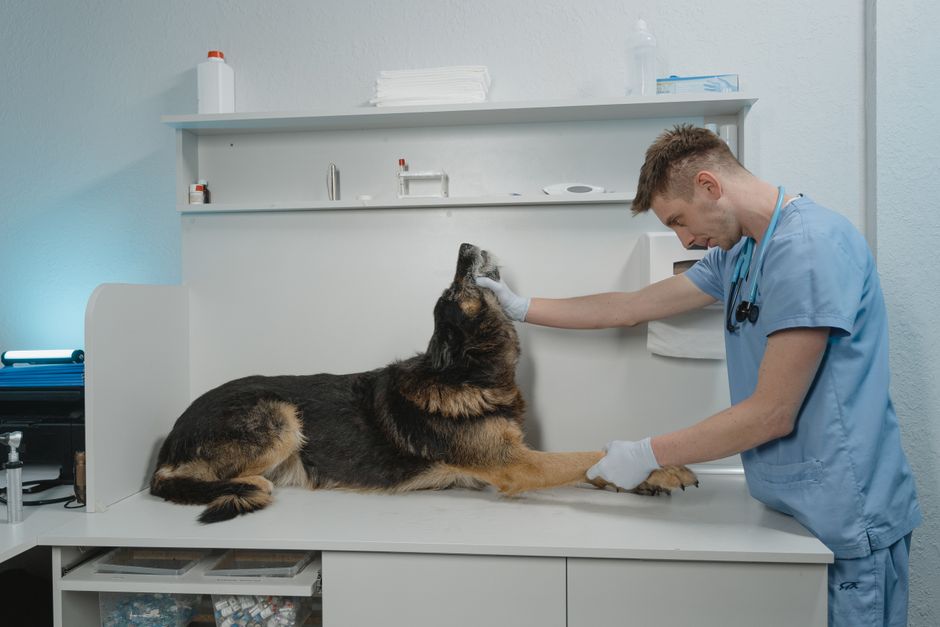
During the cleaning, your pet will be placed under general anesthesia, allowing our veterinarians to thoroughly examine each tooth and the surrounding gums. This step is crucial, as it allows us to clean below the gumline, where harmful bacteria often hide. We use advanced dental radiography to identify hidden problems such as abscesses or bone loss that are not visible to the naked eye, ensuring a complete evaluation of your pet’s oral health. To learn more about our diagnostic capabilities, visit our page on dental radiography imaging services for pets.
Once your pet’s mouth has been fully examined, the veterinary team will use specialized tools to remove tartar and polish the teeth, which helps prevent future plaque buildup. If we discover any loose, damaged, or infected teeth that cannot be saved, we will discuss the option of extractions with you. For more information about this procedure, you can read about our pet tooth extraction services at Ark Animal Hospital.
Throughout the process, your pet’s vital signs are closely monitored, and they are kept comfortable with pain management tailored to their needs. Recovery from anesthesia is typically smooth, and most pets return to their normal selves within a day or two. Our veterinarians provide detailed aftercare instructions and are always available to answer your questions following the procedure.
Ways to Support Your Pet’s Dental Health at Home
While professional cleanings are essential, home care plays a major role in keeping your pet’s mouth healthy between visits. Daily tooth brushing with pet-safe toothpaste is the gold standard for preventing plaque buildup. If brushing is not possible every day, aim for several times per week. Dental chews, water additives, and specially formulated diets can also help reduce plaque and tartar accumulation.
Providing safe chew toys encourages natural cleaning as your pet gnaws, and regular inspections of your pet’s mouth allow you to spot early signs of trouble. Avoid giving your pet hard bones or antlers, as these can break teeth and cause injury. Staying consistent with home care routines is especially important for senior pets and those with a history of dental disease.
It is also helpful to schedule routine dental check-ups as part of your pet’s wellness plan. By working closely with your veterinary team, you can receive personalized guidance on the best products and techniques for your pet’s oral health, as well as recommendations for when to return for professional pet dental cleanings in Jefferson.
When to Seek Professional Vet Dental Care
Some dental problems require immediate attention from a veterinarian. If your pet is experiencing severe pain, has stopped eating, or has swelling around the mouth or jaw, these may be signs of a serious infection or abscess that needs prompt treatment. Sudden bleeding from the gums, broken teeth, or pus in the mouth are also urgent warning signs that should never be ignored.
Even if symptoms are mild, it is important not to wait until your pet is in obvious discomfort. Scheduling regular dental evaluations with a veterinary team allows for early detection and intervention, which can prevent more complex and costly problems down the line. If you ever feel uncertain about your pet’s oral health, it is always best to consult with a veterinarian near me; timely care can make all the difference.
At Ark Animal Hospital, our goal is to support pet owners in Jefferson and neighboring communities with clear guidance, compassionate care, and expert resources at every stage of your pet’s life. We invite you to reach out whenever you have questions or concerns about your pet’s dental health.
The Importance of Preventive Dental Care in Jefferson
Preventive pet dental cleanings in Jefferson are one of the most effective ways to protect your pet from painful dental disease and related health issues. Dental problems can lead to infections that affect the heart, liver, and kidneys, making oral health a true cornerstone of overall wellness. Routine cleanings not only keep your pet’s teeth and gums healthy but also contribute to a longer, happier life.
Our veterinary professionals offer comprehensive dental assessments as part of our wellness plans, helping you stay ahead of potential issues and providing peace of mind. When you invest in regular vet dental care, you are taking an important step toward safeguarding your pet’s future—something every loving owner wants for their companion.
To learn more about specific dental conditions such as gingivitis, you can explore our resource on gingivitis treatment and care for pets. Staying informed empowers you to make the best decisions for your pet’s health and strengthens the bond you share.
Schedule Your Pet’s Dental Cleaning at Ark Animal Hospital Today
Your pet’s smile deserves the same attention and care as the rest of their health. Whether you have noticed signs of dental disease or want to be proactive with prevention, Ark Animal Hospital is here to help with compassionate, high-quality pet dental cleanings in Jefferson. Our veterinary team combines advanced technology with a gentle, individualized approach to ensure every visit is a positive experience.
We encourage you to schedule an appointment with our veterinarians if you have questions about your pet’s oral health or are searching for a quality vet near me. Our state-of-the-art facility at 4211 Jefferson Highway, Jefferson, LA 70121 welcomes pets from Jefferson and surrounding communities, and we are committed to supporting your pet’s wellness at every stage of life.
For more details or to book your next dental cleaning, call us at (504) 834-0906. You can also explore our professional pet dental cleaning services at Ark Animal Hospital for additional information. Partner with us to keep your pet’s teeth healthy and their tail wagging for years to come.
This blog is intended for educational purposes only and should not be used as a substitute for professional veterinary care. If you have concerns about your pet’s health, please consult with your veterinarian.