How an Animal Hospital Keeps Your Pet Healthy Year-Round
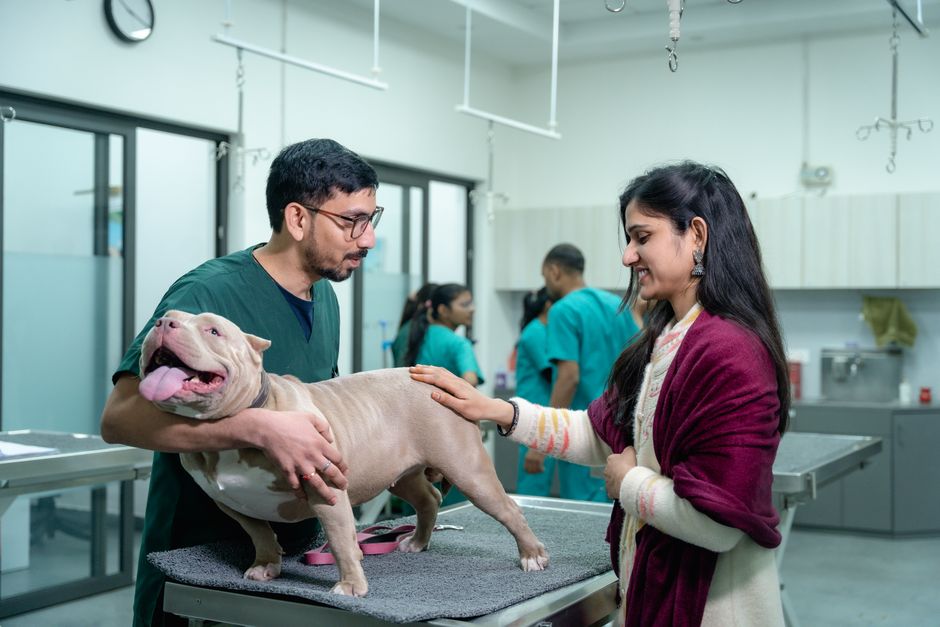
How an Animal Hospital Keeps Your Pet Healthy Year-Round
As a caring pet owner in New Orleans, you want to do everything you can to keep your dog or cat healthy in every season. From playful afternoons in the yard to cozy evenings indoors, your companion’s wellbeing is always on your mind. But what does it really mean to keep your pet healthy year-round, and how can a trusted animal hospital support you along the way? At Ark Animal Hospital, located at 4211 Jefferson Highway, Jefferson, LA 70121, our veterinary team is dedicated to providing comprehensive, high-quality care for dogs and cats across Jefferson Parish and surrounding communities. In this blog, we’ll walk you through how our animal hospital stands apart with advanced diagnostics, seasonal wellness strategies, and the ongoing support your pet needs to thrive all year. You’ll also discover when your pet should visit us—especially as August brings its own set of health concerns for New Orleans pets.
Recognizing When Your Pet Needs an Animal Hospital Visit
Many pet owners wonder how to tell when their companion might need more than just a quick checkup. Visiting an animal hospital is not just for emergencies; it’s a key part of preventive care that helps catch small problems before they become major issues. Common signs your pet might need a visit include changes in appetite, persistent vomiting or diarrhea, coughing or sneezing that lasts more than a couple of days, trouble urinating, limping or reluctance to move, and visible lumps or sores that don’t heal. Additionally, subtle changes such as increased thirst, hiding, or uncharacteristic aggression can signal underlying issues that require professional evaluation.
Seasonal shifts in New Orleans, like the humid summer weather, can also bring challenges such as skin allergies, heat stress, and heartworm exposure. If you notice excessive scratching, red or irritated skin, or your pet seems lethargic in the heat, these are important cues to schedule a visit. Remember that senior pets, puppies, and kittens may be more sensitive to environmental changes and may require more frequent care.
Why Do Pets Need Year-Round Veterinary Care?
Pets, like people, benefit from consistent healthcare that adapts to changing needs throughout the year. New Orleans’ climate creates unique risks, including flea and tick infestations during warm months, heartworm-carrying mosquitoes, and sudden temperature shifts that can stress older pets. Preventive care at an animal hospital goes beyond treating illness; it’s about proactively managing your pet’s health through all life stages.
Regular comprehensive physical exams help our veterinarians detect early signs of illness, dental disease, or nutritional deficiencies. Vaccinations protect against contagious diseases that can spike seasonally or with increased travel and socialization. For example, summer boarding or playdates at local dog parks may increase your pet’s risk for certain infections, making timely pet vaccination services even more important.
Diagnostic tools like digital radiology and laboratory testing allow us to monitor your pet’s internal health, catching subtle changes in organ function or early warning signs of chronic disease. This is especially crucial for senior pets, who may develop age-related conditions that respond best to early intervention.
What Does Year-Round Treatment and Prevention Involve?
Comprehensive Exams and Advanced Diagnostics
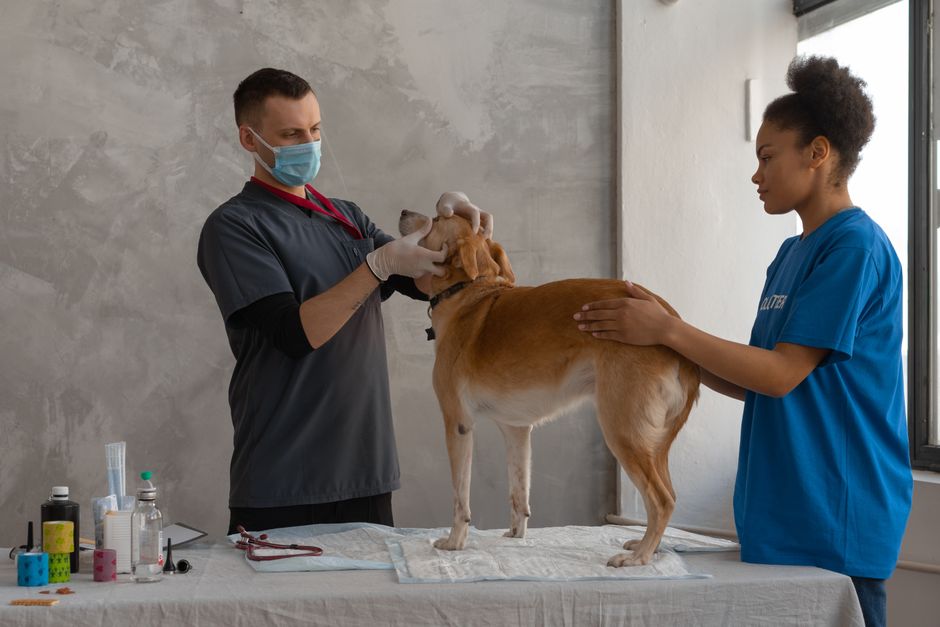
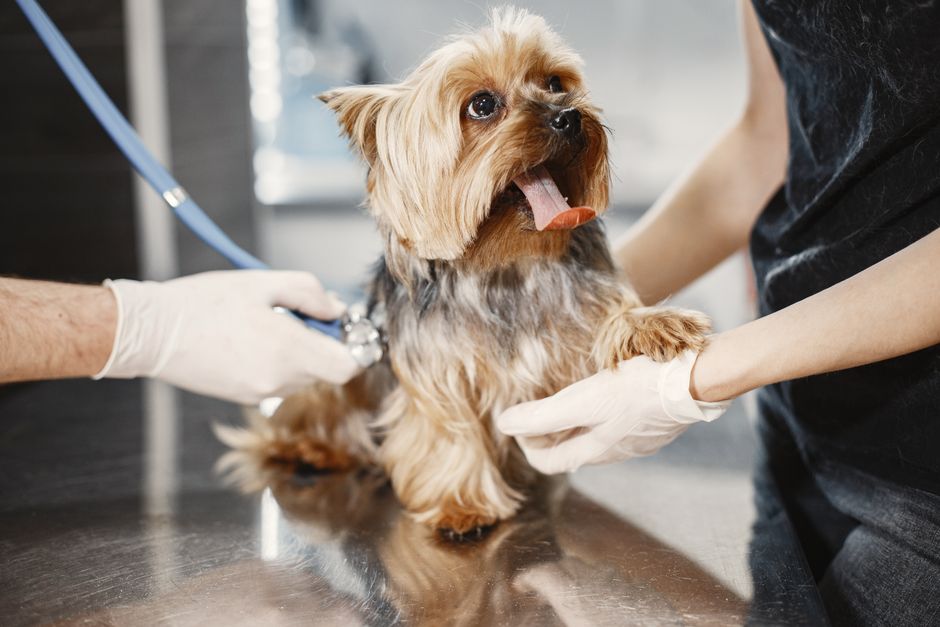
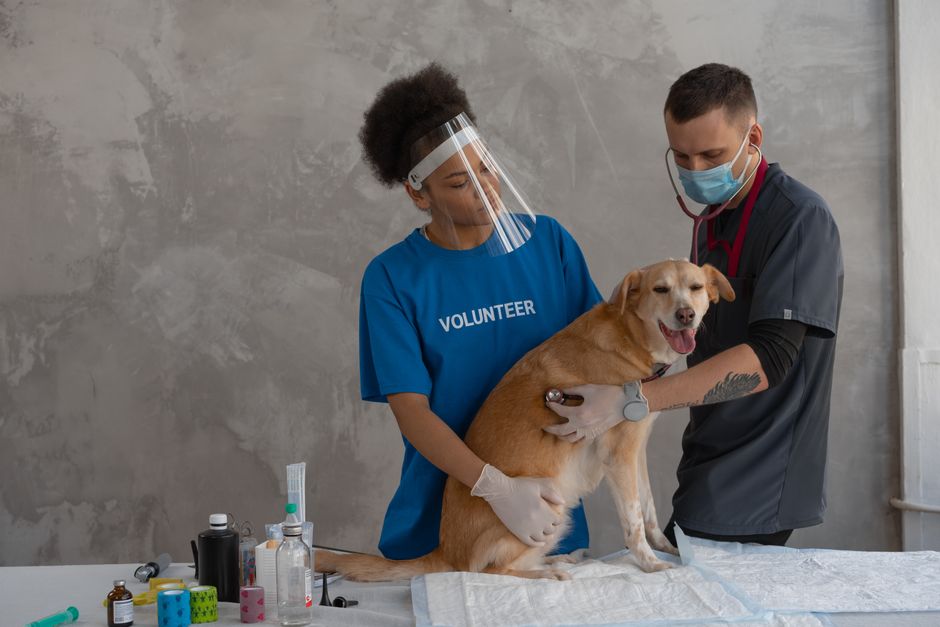
At Ark Animal Hospital, we begin with a thorough physical examination tailored to your pet’s age, breed, and lifestyle. Our veterinarians examine everything from your pet’s heart and lungs to their teeth, skin, eyes, and joints. We may recommend annual or biannual wellness bloodwork, fecal testing for parasites, and urinalysis to paint a full picture of your pet’s internal health. For pets with chronic issues or those entering their senior years, more frequent check-ins and senior pet care may be necessary.
Advanced diagnostics—such as digital radiology, ultrasound, and in-house laboratory testing—allow us to quickly identify issues like tumors, heart disease, or internal injuries. Our state-of-the-art facility is equipped to handle a wide range of needs, ensuring that your pet receives the right care at the right time.
Vaccinations and Parasite Prevention
Keeping up with pet vaccination services is a critical part of year-round health. Our veterinary team follows the latest guidelines to protect your dog or cat from core diseases, as well as region-specific threats like leptospirosis and heartworm. Since mosquitoes are active in New Orleans almost year-round, we recommend regular heartworm testing and year-round preventives to keep your pet safe.
Flea and tick prevention is another cornerstone of our approach. Our veterinarians can recommend products that suit your pet’s unique needs, considering factors like age, health status, and whether your pet spends time outdoors.
Dental Care and Nutrition
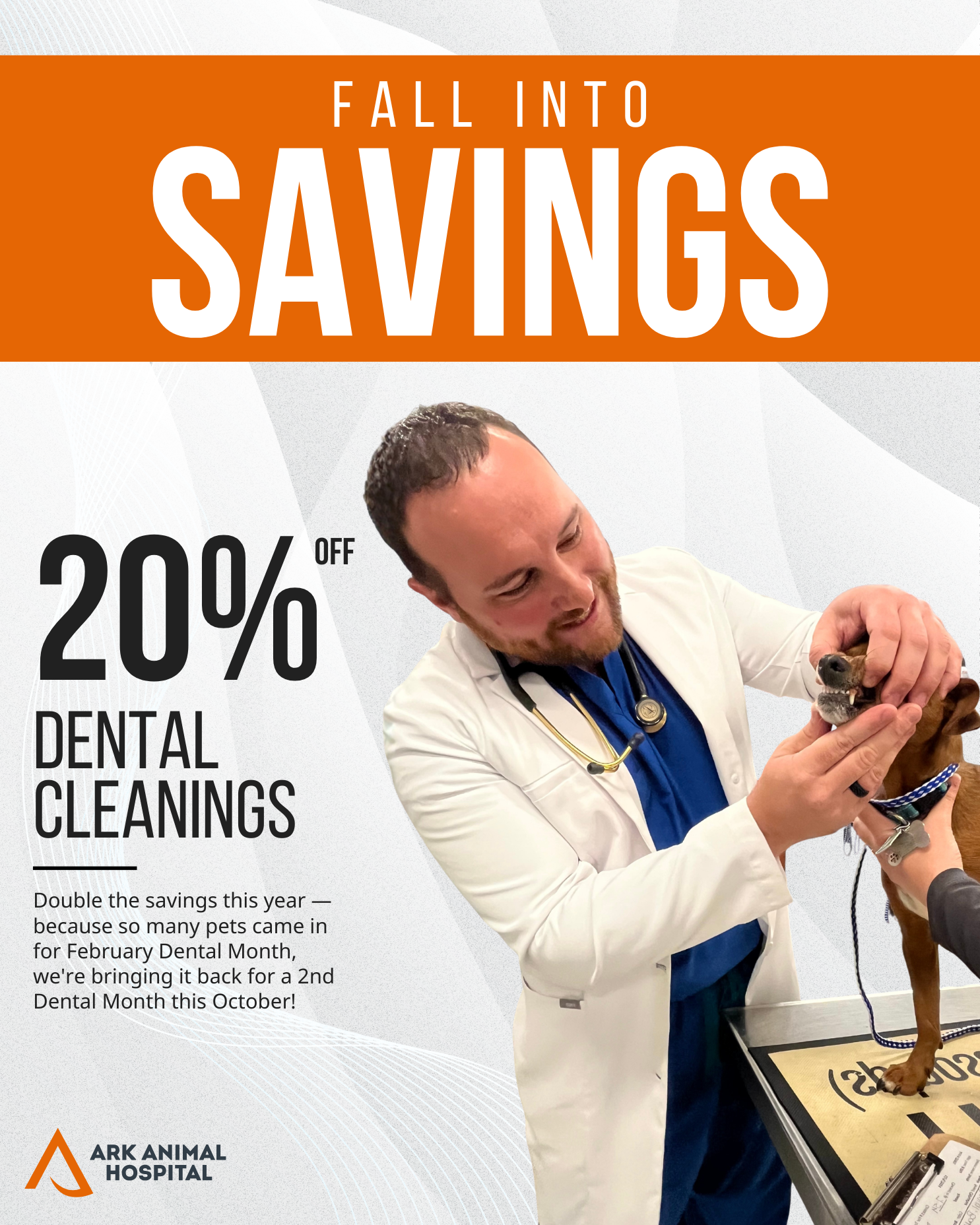
Dental disease is one of the most common health issues in dogs and cats. Regular pet dental cleanings and dental exams help prevent painful problems like tooth loss, gum infection, and bad breath. Our animal hospital provides advanced dental radiography and oral surgery when needed, ensuring your pet’s mouth stays healthy.
Nutrition also plays a vital role in lifelong wellness. Our veterinary professionals offer pet nutrition services to help you choose the right diet, manage weight, and address special dietary needs such as allergies or chronic disease.
Managing Chronic Conditions and Senior Pet Care
As pets age, their healthcare needs can change dramatically. Our approach to senior pet care includes more frequent exams, pain management options, and early screening for arthritis, kidney disease, diabetes, and cancer. Our team works closely with you to adjust treatment plans and provide comfort-focused care as your pet enters their golden years.
If your pet is diagnosed with a chronic condition, such as diabetes or thyroid disease, our veterinarians will guide you through regular monitoring, medication management, and lifestyle adjustments to keep your companion comfortable and active.
Preventive Care and Home Strategies for Pet Owners
While regular visits to the animal hospital are essential, there’s plenty you can do at home to support your pet’s health. Feeding a balanced diet, providing daily exercise, and maintaining good grooming habits all contribute to overall wellbeing. Monitoring your pet’s behavior and body condition between veterinary visits allows you to catch changes early.
For dogs and cats living in New Orleans, it’s important to be mindful of the local environment. During hot, humid months, provide plenty of fresh water and shade, and avoid mid-day walks to prevent overheating. Regularly check your pet for fleas, ticks, and skin irritation, especially after outdoor activities. In winter, ensure your pet has a warm, dry place to rest, and watch for signs of joint stiffness or reluctance to move.
Dental home care, such as brushing your pet’s teeth or using veterinarian-approved dental treats, can help prevent plaque buildup. Keeping your pet’s vaccinations and parasite prevention up to date is one of the simplest yet most effective ways to protect them year-round.
When Should Your Pet Visit the Animal Hospital? August and Beyond
Certain times of year call for extra vigilance. In August, as summer peaks in New Orleans, pets are at higher risk for heatstroke, dehydration, and seasonal allergies. If your pet is panting excessively, drooling, vomiting, or seems weak after being outside, these could be signs of heat-related illness. Immediate veterinary attention is needed if your pet collapses, has difficulty breathing, or experiences seizures.
Beyond emergencies, August is a great time to schedule your pet’s annual or semiannual wellness exam, especially before the busy fall season. If you’ve noticed changes in your pet’s appetite, energy, or skin condition over the summer, don’t wait for symptoms to worsen—our team can help you address small concerns before they become major health problems.
It’s also wise to bring your pet in for routine comprehensive physical exams if you’re planning to travel, board your pet, or introduce a new animal to your home. Kittens and puppies need more frequent visits for vaccinations and developmental monitoring, while senior pets benefit from extra check-ins as the weather changes.
The Ark Animal Hospital Difference: Compassionate, Comprehensive Care
As your local animal hospital in Jefferson, Ark Animal Hospital is committed to supporting you and your pet every step of the way. Our veterinary team combines advanced medical technology with genuine compassion and clear communication, so you always know what’s best for your companion. Whether your pet needs urgent care, a wellness check, or ongoing management for a chronic condition, you can count on our state-of-the-art facility and experienced veterinarians.
We understand that finding a trusted "vet near me" matters for your peace of mind. That’s why we offer convenient appointment times, personalized preventive care plans, and a full range of services under one roof. From dental care to dermatology, surgery to nutrition counseling, everything your pet needs is right here at our animal hospital.
Ready to Keep Your Pet Healthy All Year? Schedule an Appointment Today
Your pet deserves the best care, every season of the year. If you’re in New Orleans or nearby communities and want to partner with a team that truly cares, schedule your next appointment at Ark Animal Hospital. Whether it’s time for your pet’s vaccination, annual exam, or you have a specific health concern, our veterinary professionals are here to help. Visit us at 4211 Jefferson Highway, Jefferson, LA 70121 or call (504) 834-0906 to book your visit. For more information about our services, explore our comprehensive physical exams and pet vaccination options today. When you need an animal hospital you can trust, our veterinary team is here for you and your pet—now and all year long.
This article is intended for educational purposes and should not replace professional veterinary advice. If your pet is experiencing an emergency or sudden change in health, contact your veterinarian immediately.