Preventing Parasites in Pets: February Tips for Jefferson Owners
Preventing Parasites in Pets: February Tips for Jefferson Owners
As February unfolds in Jefferson, LA, many pet owners start to wonder if their furry friends are truly protected from parasites like fleas, ticks, and heartworms. At Ark Animal Hospital, we know how important it is to keep your beloved pet parasite-free, especially in Louisiana’s warm, humid climate where these pests thrive nearly year-round. Parasite prevention is not just a seasonal task; it is a vital part of your pet’s ongoing health care. Our veterinary team at Ark Animal Hospital is dedicated to helping pets in Jefferson and surrounding communities stay healthy and happy through comprehensive preventive care, including customized parasite protection plans.
In this blog, we will explore why February is a smart month to review your pet’s parasite prevention strategy, what signs and symptoms to look out for, and how our clinic supports your efforts to keep your pet safe all year long. You will also learn about the steps you can take at home, when to schedule an appointment, and why our veterinarians recommend starting prevention early. If you are concerned about fleas, ticks, or heartworms, you are not alone; let us help you understand how to keep these threats at bay for your pet’s wellbeing.
Recognizing the Signs of Parasite Problems in Pets
It is not always easy to spot parasite problems in your pet, as some symptoms can be subtle or mistaken for other health issues. Yet, being aware of early warning signs can make all the difference in avoiding more serious complications. Fleas may trigger constant scratching, biting, or visible irritation of the skin. You might also notice tiny black specks in your pet’s fur, which are often flea droppings, or areas of hair loss and redness from excessive licking. Ticks are sometimes easier to find, as they appear as small, round bumps attached to your pet’s skin, often hiding in less visible areas like under the collar or between toes.
Heartworm disease is a more silent threat, as it can progress for months before symptoms become obvious. Signs to watch for are coughing, lethargy, reduced appetite, and in severe cases, difficulty breathing or fainting spells. Intestinal parasites, such as roundworms or hookworms, can lead to vomiting, diarrhea, weight loss, or a bloated belly, especially in puppies and kittens. Any time you notice changes in your pet’s behavior or physical appearance, it is wise to consult with our veterinary professionals for a thorough evaluation.
Why Parasites Are a Year-Round Risk in Jefferson
Louisiana’s climate provides the perfect breeding ground for parasites. Unlike regions with harsh winters that naturally slow down flea and tick activity, our local temperatures often remain mild enough for these pests to survive throughout the year. Flea eggs and larvae can linger in carpets, bedding, or outdoor areas, waiting for the right moment to infest your pet. Ticks are also active in wooded or grassy spaces, posing risks during walks, hikes, or even brief outdoor playtimes.
Heartworm disease is spread by mosquitoes, which are present for much of the year in Jefferson and neighboring communities. These mosquitoes carry heartworm larvae, transmitting them to dogs and, less commonly, to cats when they bite. Because mosquitoes can thrive indoors and outdoors, pets without year-round protection remain at risk of infection. February serves as an ideal time to reassess your pet’s preventive plan, since seasonal changes may bring new exposures, and early prevention helps block the parasite lifecycle before it takes hold.
Veterinary Support for Parasite Detection and Treatment
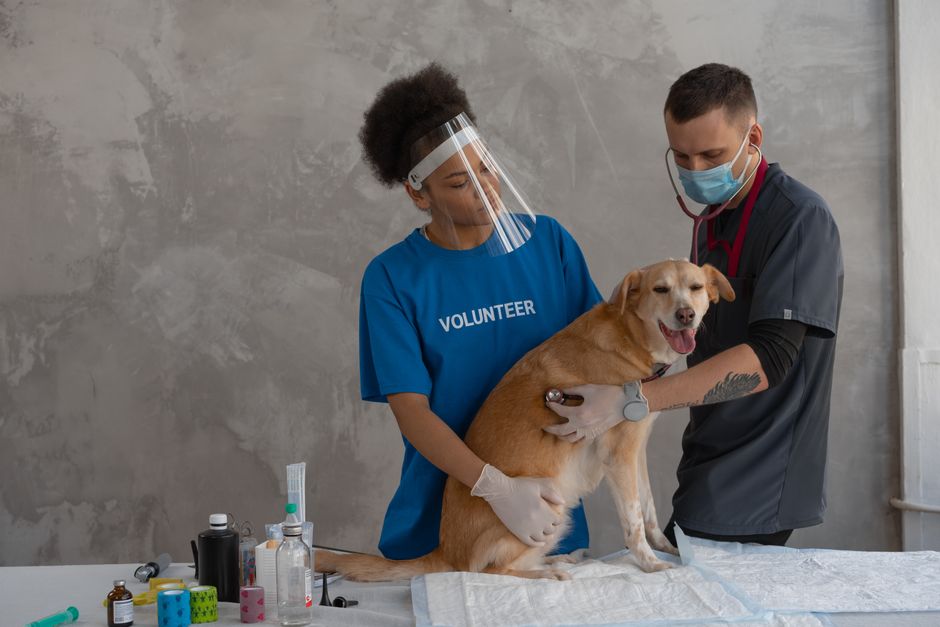
When it comes to parasite management, professional veterinary care is your best defense. At Ark Animal Hospital, we offer a complete range of diagnostic and treatment services designed to detect, manage, and resolve parasite issues efficiently. During a comprehensive physical exam, our veterinarians thoroughly check your pet’s coat, skin, and overall condition for any signs of fleas, ticks, or other pests. For heartworm disease, we recommend regular heartworm testing to catch infections early, as this condition can be fatal if left untreated.
Treatment approaches for external parasites such as fleas and ticks involve prescription preventives, medicated shampoos, and, in severe cases, medications to address secondary infections or allergic reactions. When intestinal worms are detected, our veterinary team may prescribe deworming medications based on the specific parasite involved and your pet’s age, size, and health history. For heartworm-positive pets, a carefully monitored treatment protocol is essential; this can include a series of injections and strict rest to reduce the risk of complications.
We understand that every pet is unique, so our approach is always tailored to your pet’s needs and your family’s lifestyle. Through advanced diagnostics and effective treatments, we aim to restore your pet’s health while minimizing discomfort and future risks.
Prevention: Your Best Weapon Against Parasites
The most effective way to protect your pet from parasites is through consistent, year-round prevention. Our veterinarians recommend starting a parasite prevention plan in February if you have not already done so, as this sets the stage for comprehensive coverage before the peak pest season arrives. Steps for prevention include using veterinarian-approved flea, tick, and heartworm products as prescribed, maintaining a regular schedule for dosing, and ensuring all pets in your home are protected simultaneously.
Keeping your home environment clean is also crucial. Regular vacuuming, washing pet bedding, and promptly disposing of yard waste can help reduce the local flea and tick population. Outdoor pets and those who venture into wooded or grassy areas may require additional vigilance, as they are more likely to pick up ticks or encounter mosquito hotspots.
Additionally, integrating preventive care into your pet’s wellness routine can make a significant difference. Our Wellness Plans are designed to simplify preventive care by bundling routine exams, parasite screenings, and recommended vaccinations, making it easier to keep your pet’s health on track.
When to Schedule a Veterinary Visit for Parasite Concerns
Knowing when to seek veterinary help is key to effective parasite management. Schedule a visit if you notice persistent scratching, hair loss, or visible fleas or ticks on your pet. Other signs that warrant prompt attention are coughing, unexplained weight loss, vomiting, diarrhea, or any sudden changes in activity levels. For heartworm prevention, annual heartworm testing is recommended, even if your pet is on preventive medication, since no product offers absolute protection.
February is an ideal time to book your pet’s comprehensive exam and review their parasite prevention status, especially if you are new to the area or have recently adopted a pet. Our veterinary team in Jefferson will work with you to develop a customized plan that fits your pet’s lifestyle and the local risk profile, ensuring they are covered for every season.
If your pet is due for their next exam, has missed a dose of their preventive medication, or you are unsure about which products are best, do not hesitate to contact us. Timely intervention can prevent minor issues from becoming major health concerns.
Local Resources and Further Reading
For more information about parasite prevention, the American Veterinary Medical Association (AVMA) provides helpful guidelines for pet owners: AVMA Parasite Prevention. You can also learn about heartworm risks specific to Louisiana from the American Heartworm Society.
If you are searching for a veterinarian near me, remember that choosing a local, experienced practice like Ark Animal Hospital ensures your pet receives care tailored to the risks unique to Jefferson and the surrounding communities.
Protect Your Pet: Schedule a Parasite Prevention Checkup Today
Keeping your pet safe from parasites is a year-round commitment, but February offers the perfect opportunity to review and strengthen your prevention efforts. By understanding the signs of parasite problems, recognizing the year-round risks in Jefferson, and partnering with our skilled veterinary professionals, you can safeguard your pet’s health and happiness.
If you have questions about your pet’s current parasite prevention plan, want to discuss Wellness Plans, or need to schedule a comprehensive physical exam, we are here to help. Contact Ark Animal Hospital at (504) 834-0906 or visit us at 4211 Jefferson Highway, Jefferson, LA 70121 to book your appointment. Our veterinary team is committed to providing the highest quality preventive care for pets in Jefferson and surrounding communities.
When it comes to your pet’s wellbeing, do not wait for symptoms to appear. Proactive parasite prevention is the best gift you can give your furry family member. We look forward to supporting you and your pet throughout every season.