Rainy Season Pet Care Tips for New Orleans Homes
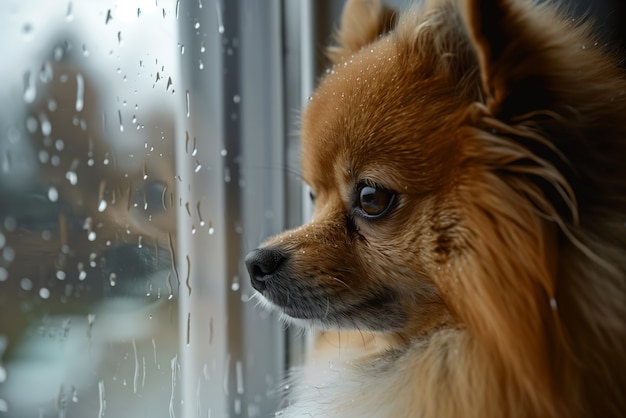
Rainy Season Pet Care Tips for New Orleans Homes
When the rainy season arrives in New Orleans, pet owners often find themselves facing a unique set of challenges. Between sudden downpours, cool December weather, and persistent dampness, it can be tricky to keep your home clean and your pets healthy and comfortable. At Ark Animal Hospital, located at 4211 Jefferson Highway, Jefferson, LA 70121, our veterinary team understands how local weather can impact your pet’s skin, coat, and overall wellbeing. In this guide, we’ll explore practical rainy season pet care strategies tailored for New Orleans homes, with a special focus on seasonal skin care, paw health, and keeping muddy paws at bay.
Throughout this article, you’ll discover how to identify moisture-related skin issues, why they occur more frequently during wet weather, and what you can do to help your pet stay comfortable. We’ll also share when it’s time to schedule an appointment with our veterinarians for a comprehensive pet exam or specialized dermatology services. Whether you’re searching for preventive tips or need help with an existing problem, our “vet near me” approach means Ark Animal Hospital is here to support pet owners in Jefferson and surrounding communities year-round.
Recognizing Rainy Season Pet Problems in New Orleans
Many pet owners notice sudden changes in their pets’ comfort and cleanliness as the rainy season sets in. Damp fur, muddy footprints, and that unmistakable wet dog smell are just the beginning. More concerning are the subtle signs that moisture is affecting your pet’s skin and paws. Symptoms of rainy season discomfort in pets often include itching, licking, redness between toes, and a persistent musty odor. Some pets may develop hotspots, which are localized areas of inflamed, irritated skin that can appear suddenly. You might also notice your cat or dog shaking their head more than usual, which can signal moisture trapped in the ears.
Another common sign is the appearance of brownish-red stains on your pet’s fur, particularly on the paws or around the mouth. These stains can indicate yeast overgrowth, which thrives in warm, moist environments like New Orleans during rainy months. If your pet starts to limp, refuses to walk, or constantly chews at their feet, this could mean raw paw pads or even a developing infection. In some cases, you may see hair loss or scabbing along the belly or between the toes, which can result from persistent dampness or mud exposure.
By becoming familiar with these warning signs, you can take early action to protect your pet’s skin and coat during the wettest months of the year. If you notice any of these symptoms, it’s wise to consult with a veterinary professional to rule out underlying medical issues and receive tailored New Orleans pet skin care advice.
Why Skin and Paw Issues Increase During New Orleans’ Rainy Season
New Orleans’ humid, rainy winters create the perfect conditions for skin and paw problems in pets. Extended dampness from daily showers and cool temperatures means your pet’s fur and skin rarely get a chance to dry out completely. When moisture is trapped against the skin, it can break down natural protective barriers, making it easier for bacteria and yeast to grow. This is especially true for pets with thick coats or those who enjoy outdoor play, as mud and moisture become trapped close to the skin.
For dogs, walking on wet sidewalks or grassy areas can soften paw pads, leading to small cracks that make it easier for irritants and microorganisms to enter. Cats that venture outdoors may also track in moisture, which can linger between their delicate toe pads. Additionally, homes in Jefferson and surrounding communities often deal with fluctuating indoor humidity during rainy months, which can make it difficult for pets to stay dry even when indoors. Using towels may help, but if a pet’s undercoat remains damp, the risk of skin issues rises.
Some breeds are more susceptible to rainy season skin problems. Breeds with skin folds, dense undercoats, or floppy ears are especially prone to moisture-related irritations. Environmental allergens that become airborne during rain, such as mold spores, can also contribute to skin sensitivities and exacerbate existing allergies. Understanding these underlying causes helps pet owners in New Orleans take proactive steps for their pet’s comfort.
Professional Treatment and Veterinary Care for Rainy Season Skin Concerns
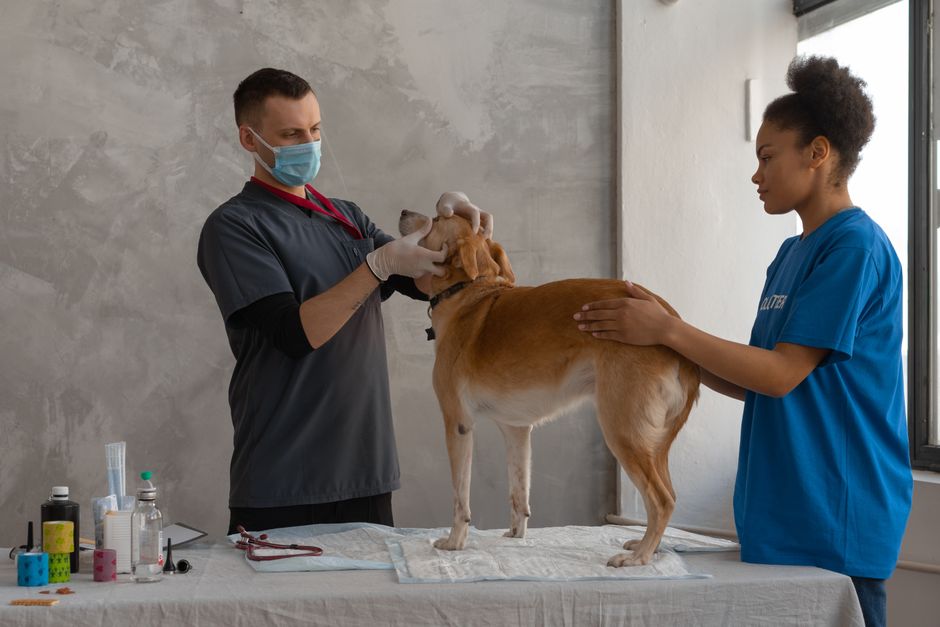
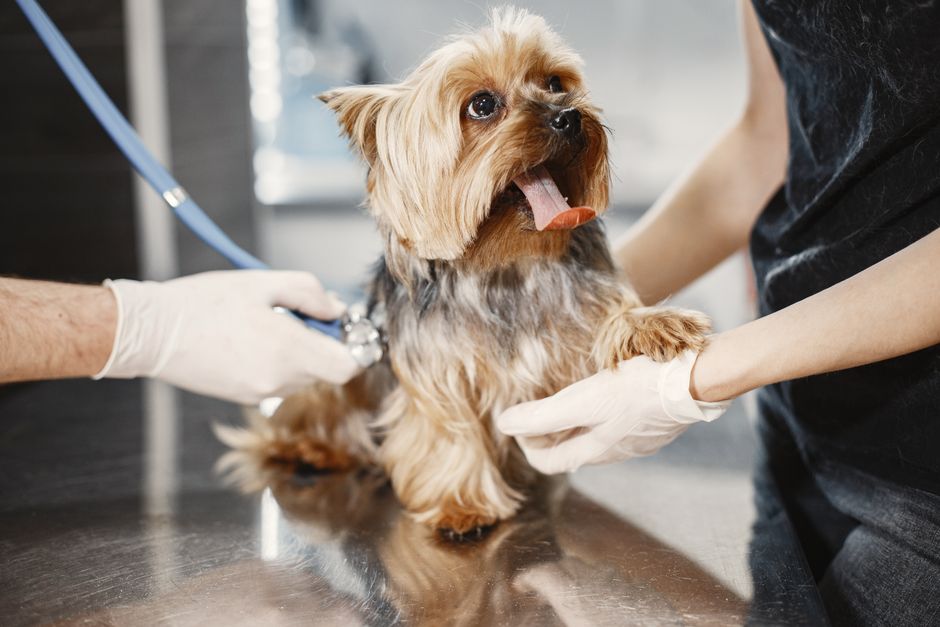
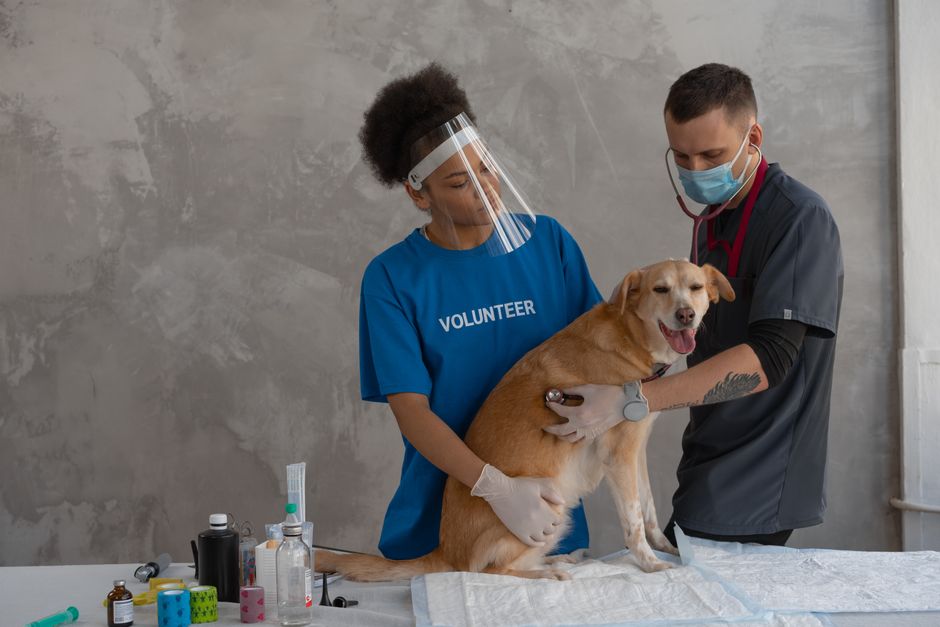
If your pet develops persistent skin or paw problems during the rainy season, seeking professional veterinary care is essential. At Ark Animal Hospital, our veterinarians provide comprehensive physical exams that assess your pet’s skin health, paw condition, and overall wellness. Treatment approaches for rainy season skin issues in New Orleans often involve diagnosing the underlying cause, which may include bacterial or yeast infections, allergies, or trauma from rough terrain.
Veterinary treatment options can include medicated shampoos, topical ointments, and oral medications tailored to your pet’s unique needs. For example, if your dog has developed hotspots from constant licking, our veterinarians may recommend a soothing medicated rinse and discuss changes you can make at home to reduce moisture exposure. For chronic or recurring issues, our dermatology services provide advanced diagnostics and targeted therapies. This can be especially beneficial for pets prone to allergies or those who have not responded to over-the-counter remedies.
If your pet’s skin or paw problem is related to a broader health concern, such as hormonal imbalances or systemic infections, our veterinary team may suggest additional laboratory testing or imaging to ensure accurate diagnosis and effective treatment. For ongoing support, we recommend enrolling in pet wellness plans that include regular checkups and preventive care tailored to the New Orleans climate. This can help catch issues early and keep your pet healthy throughout the year.
Whenever you notice sudden changes in your pet’s skin, coat, or behavior, or if a condition does not improve within a few days of home care, it is important to schedule an appointment with your veterinarian. Timely intervention can prevent minor irritations from becoming more serious infections.
Preventing Muddy Paws, Moisture, and Skin Irritation at Home
While New Orleans’ rainy season can’t be avoided, there are many steps you can take at home to keep your pet clean and comfortable. After each walk, thoroughly dry your pet’s paws and underbelly with a clean towel, paying special attention to the areas between the toes and around the ears. For pets who love to play outside, consider designating a drying off area near your home’s entrance, where you can quickly remove mud and moisture before it spreads indoors.
Bathing your pet regularly using a gentle, veterinarian-approved shampoo helps remove allergens and prevent buildup of bacteria and yeast. Our pet bathing services at Ark Animal Hospital are designed to support healthy coats and skin, and our veterinary professionals can recommend bathing routines based on your pet’s breed and activity level. If your pet has long fur, keeping it trimmed during the rainy season can minimize matting and make cleaning easier.
At home, using washable rugs near entryways and maintaining a consistent indoor humidity level with dehumidifiers can help keep both your pet and your living space drier. Inspect your pet’s paws after every outdoor adventure; look for small cuts, redness, or signs of discomfort, and rinse paws with lukewarm water if they’ve come into contact with mud or road salt. Some pet owners in the Jefferson area also use protective booties for dogs, which can be especially helpful during stormy days, but always introduce these gradually and check for proper fit.
Monitoring your pet’s ears is another important preventive step, especially for floppy-eared breeds. Gently wipe the outer ear with a soft, damp cloth if it becomes muddy, but avoid inserting anything into the ear canal. If you notice persistent head shaking or a foul odor, consult your veterinarian promptly. By combining these home care habits with professional guidance, you can help your pet avoid the discomfort of rainy season skin issues.
When to Seek Veterinary Care for Rainy Season-Related Issues
Knowing when to call your veterinarian is key to preventing minor problems from escalating. If your pet’s skin shows signs of persistent redness, swelling, hot spots, or open sores, or if there is a sudden onset of hair loss, these are clear signals that professional care is needed. Excessive licking, chewing, or limping that does not resolve within a day or two may indicate infection or injury that requires medical attention.
Pets who develop a strong, unpleasant odor from their skin or ears, or those who seem unusually lethargic or uncomfortable, should be evaluated by a veterinary professional as soon as possible. Similarly, if your pet’s appetite or behavior changes in conjunction with skin or paw problems, an underlying medical issue may be present.
At Ark Animal Hospital, we recommend scheduling a comprehensive physical exam if you observe any of these warning signs. Early intervention is especially important for senior pets or those with chronic health conditions, as they may be more vulnerable to infections and complications. Our veterinarians can assess your pet’s overall health, provide targeted treatment for skin and paw concerns, and offer guidance for ongoing New Orleans pet skin care.
If you are ever unsure whether your pet’s symptoms require immediate attention, our team is happy to provide advice. It is always better to err on the side of caution and schedule an appointment to ensure your pet’s comfort and wellbeing.
Keeping Your Pet Comfortable All Season Long
Rainy season pet care in New Orleans calls for vigilance, creativity, and a little extra TLC. By recognizing early signs of skin and paw problems, understanding why these issues occur, and following preventive care routines at home, you can help your pet stay comfortable no matter how wet the weather gets. Remember, professional support from a “vet near me” is always available at Ark Animal Hospital.
If you notice symptoms of skin irritation or paw discomfort, or if you simply want guidance on seasonal care, we invite you to schedule an appointment with our experienced veterinary team. For tailored advice and expert services, call us at (504) 834-0906 or visit us at 4211 Jefferson Highway, Jefferson, LA 70121. Our veterinarians are dedicated to providing quality veterinary services in Jefferson and surrounding communities, ensuring your pet receives the very best in New Orleans pet skin care.
To learn more about our approach to pet wellness, explore our pet wellness plans for preventive healthcare and seasonal pet care tips. We look forward to helping you and your pet enjoy a comfortable, healthy rainy season in New Orleans.